
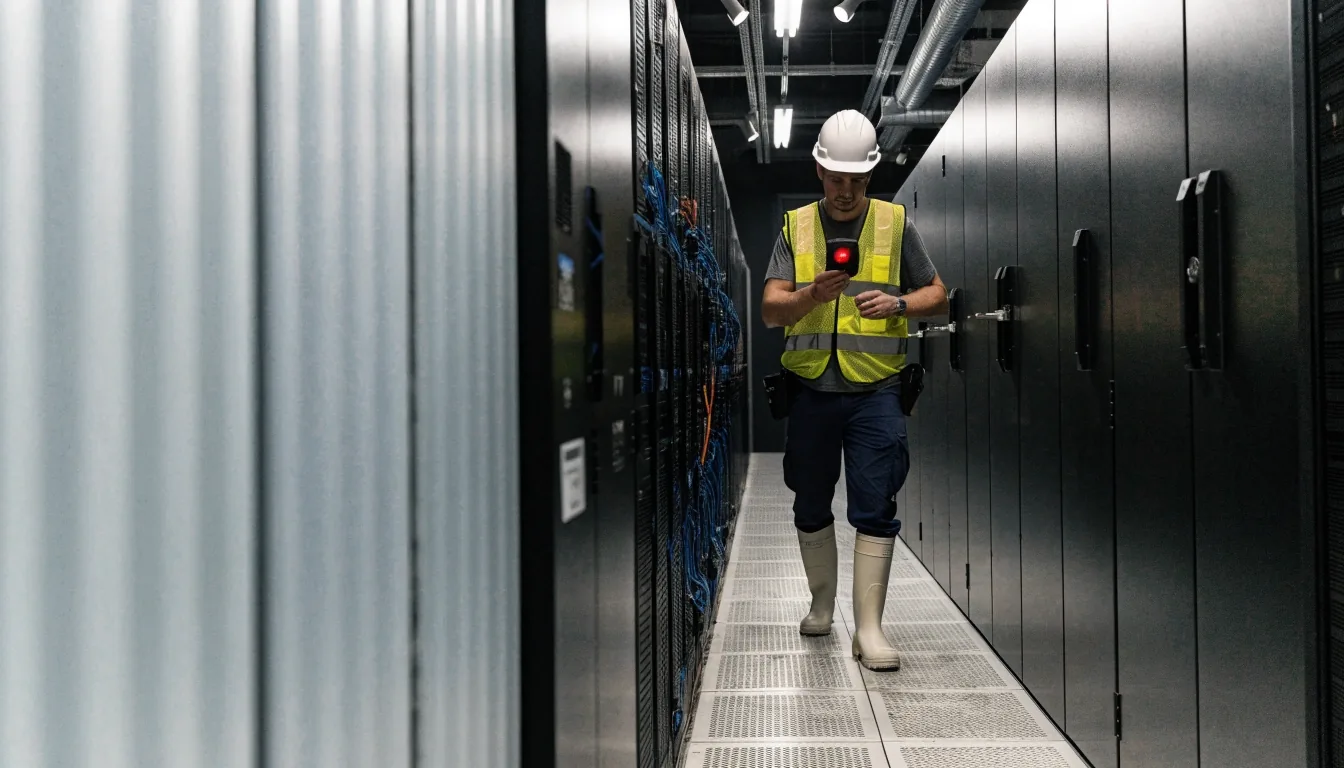
Engineering and technical consultancy — Lochristi, Belgium
Engineering services from feasibility to commissioning
Northern Peaks Engineering Solutions supports industrial plants in Belgium from our base in Lochristi — early feasibility work through process design, automation, commissioning and retrofit support.
Study and design
- Feasibility studies Stage 1
- Process design Stage 2
- Plant optimization Stage 6
Build and run
- Automation and control Stage 3
- Commissioning support Stage 4
- Retrofit and modification Stage 5
Some clients need one stage. Others need the whole sequence coordinated.
Northern Peaks Engineering Solutions is an engineering and technical solutions provider based in Lochristi, Belgium. We work for industrial plants across the country: food and beverage producers, utilities, technical buildings and process operators who need a change made without stopping production for longer than necessary.
The scope below runs in the order most projects actually follow it. A feasibility study may end with a decision not to build; a retrofit may need only a targeted change to one system. Where a smaller assignment does the job, we say so — that is part of the work, not a disappointment.
Where projects begin
Feasibility studies and process design
Two stages carry most of the risk in a plant project: deciding whether to build at all, and turning that decision into a design other disciplines can quote and construct from.
Feasibility studies
A feasibility study answers whether a project should happen and roughly what it takes. We assess capacity requirements, utility availability, space constraints and how the existing installation would cope with the change. The output is usually a report with options compared against the same production or performance targets.
This is the stage where a retrofit can be distinguished from a rebuild, and where a budget range gets its first honest basis. Belgian permitting and safety considerations are part of the picture early, because they can change the viable options — a constraint found after detailed design is far more expensive than one found before it.
Expect a written scope, the options in comparable terms, and a clear statement of the assumptions the numbers rest on. If a decision needs more information first, we say which survey or measurement would settle it.
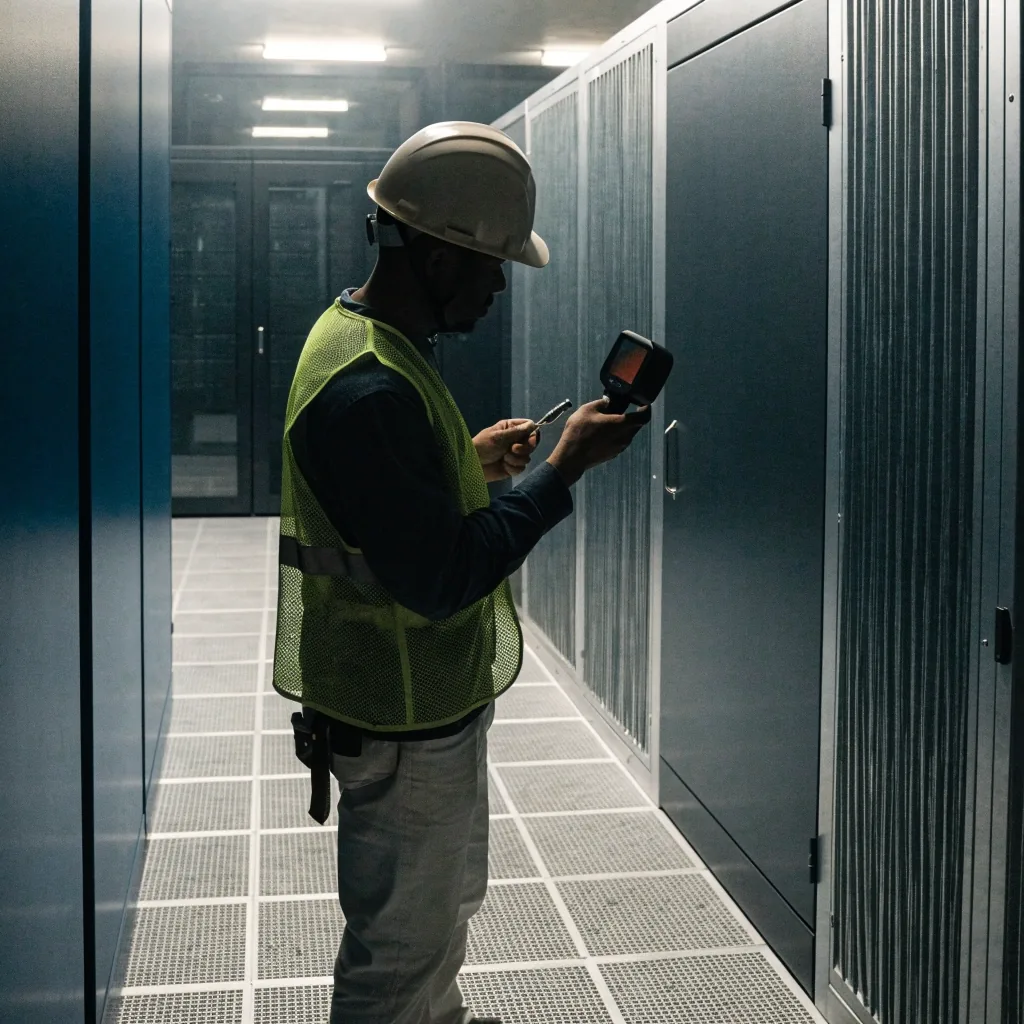
Typical study outputs
- Capacity and utility assessment against the intended duty
- Options compared on equal production targets
- Space, access and permitting constraints noted early
- A first budget basis, with the assumptions listed
Process design
Process design turns an agreed concept into equipment sizes, flow schemes, operating conditions and a basis of design that other disciplines can work from. We produce P&IDs, mass and energy balances, equipment datasheets and the specifications that go out for quotation.
For food and beverage clients, that includes the hygiene and cleaning considerations that shape how a line is arranged. For utilities and technical buildings, it is often about distribution, redundancy and how systems interact.
P&IDs and flow schemes
Line-by-line drawings that show how the process is meant to behave, and which instrument sits where.
Mass and energy balances
The figures that size vessels, pumps and heat exchangers, and that utilities have to supply.
Equipment datasheets
What a supplier needs to quote comparable hardware instead of guessing at the duty.
Basis of design
The written assumptions every later discipline depends on — and the first place a change is recorded.
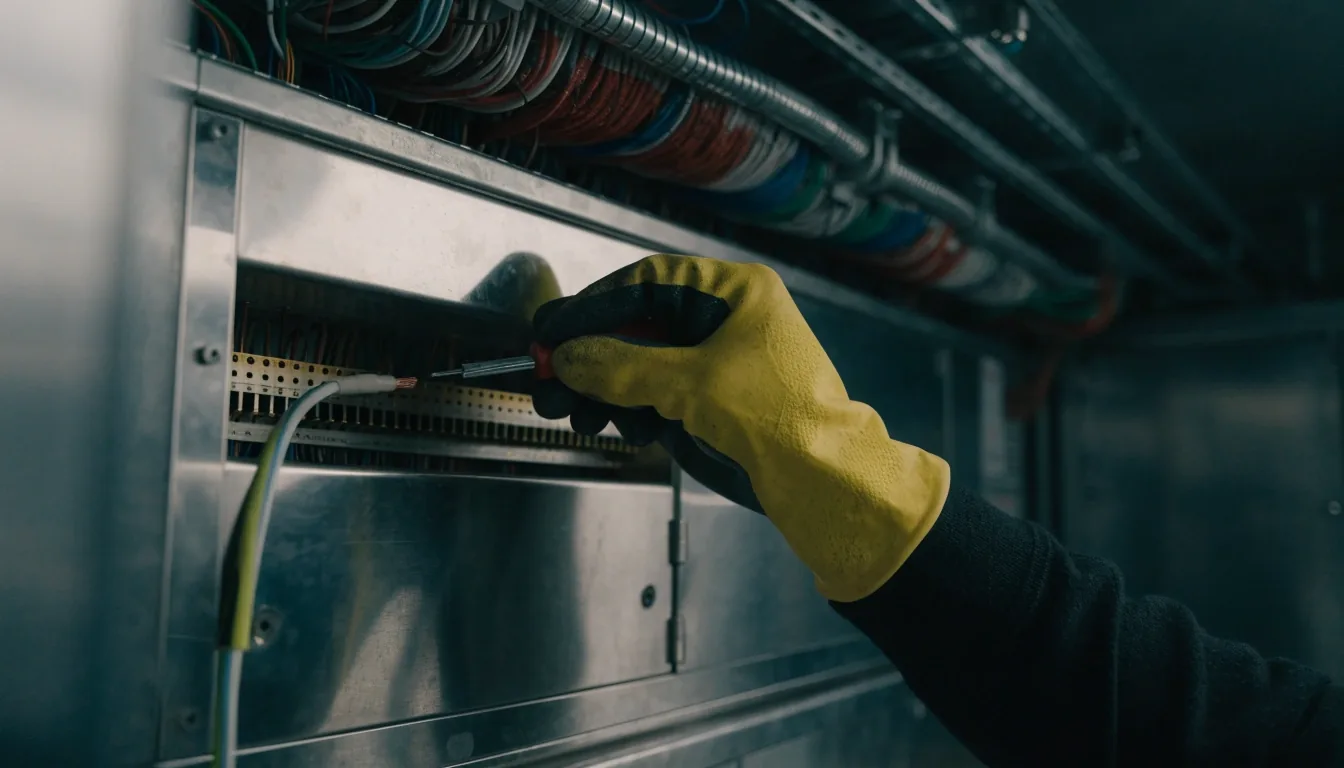
Control before code
Automation and control
Automation work covers control philosophy, functional descriptions, instrument selection and the logic that operators will actually run. We define how the process is controlled before the programming starts, which is the difference between a smooth startup and a long one.
Electrical and instrumentation scope sits alongside this: motor lists, cable schedules, panel requirements and the safety functions that need to be independent of normal control. Getting these aligned with process design early avoids the classic late-stage conflict between a valve's design intent and its sequence logic.
Control philosophy
How the plant is intended to start, run, stop and recover — written before a line of code exists.
Functional descriptions
The written behaviour of each loop and interlock, so the programmer and the operator read the same intent.
Instrument and panel scope
Selection, motor lists, cable schedules and panel requirements, kept in step with the process design.
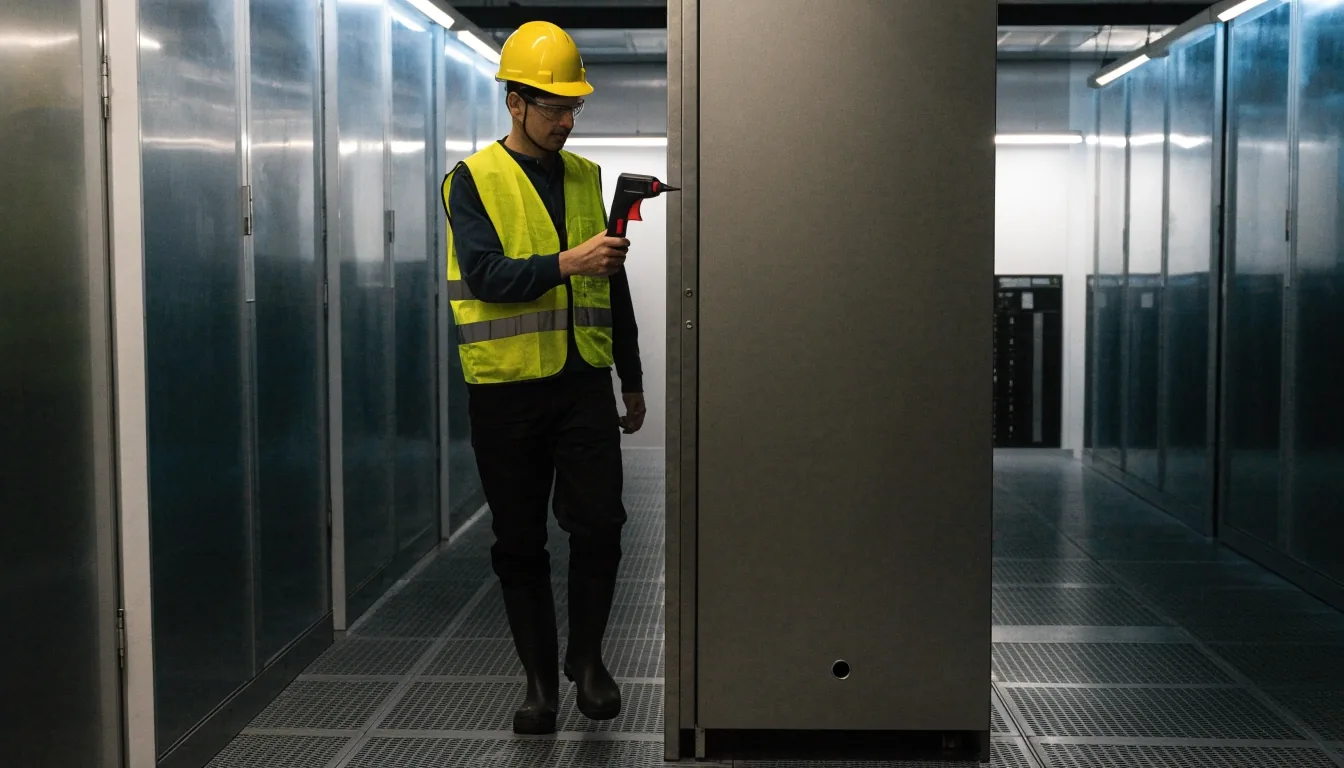
Design assumptions meet reality
Commissioning support
Commissioning is where design assumptions meet reality. We plan the sequence, prepare the test documentation, attend site and work through the punch list until the plant runs as specified. For projects with a fixed production window, the commissioning plan is written backwards from the date the plant has to be available.
This is also where our Lochristi base earns its keep. Repeated site attendance is practical when the site is within an hour or two, and a second visit the following morning costs less than an unresolved loop left overnight.
Commissioning plan
Sequence, prerequisites and hold points, ordered against the date production has to start.
Test documentation
Prepared before the plant is ready, so the checks are witnessed and recorded rather than remembered.
On-site attendance
Working alongside the contractor and the client's operators through startup and the first production runs.
Punch list close-out
Each open point tracked to a named owner and a date, so handover is a state, not an event.
Modifying a plant that is running
Retrofit and plant modification
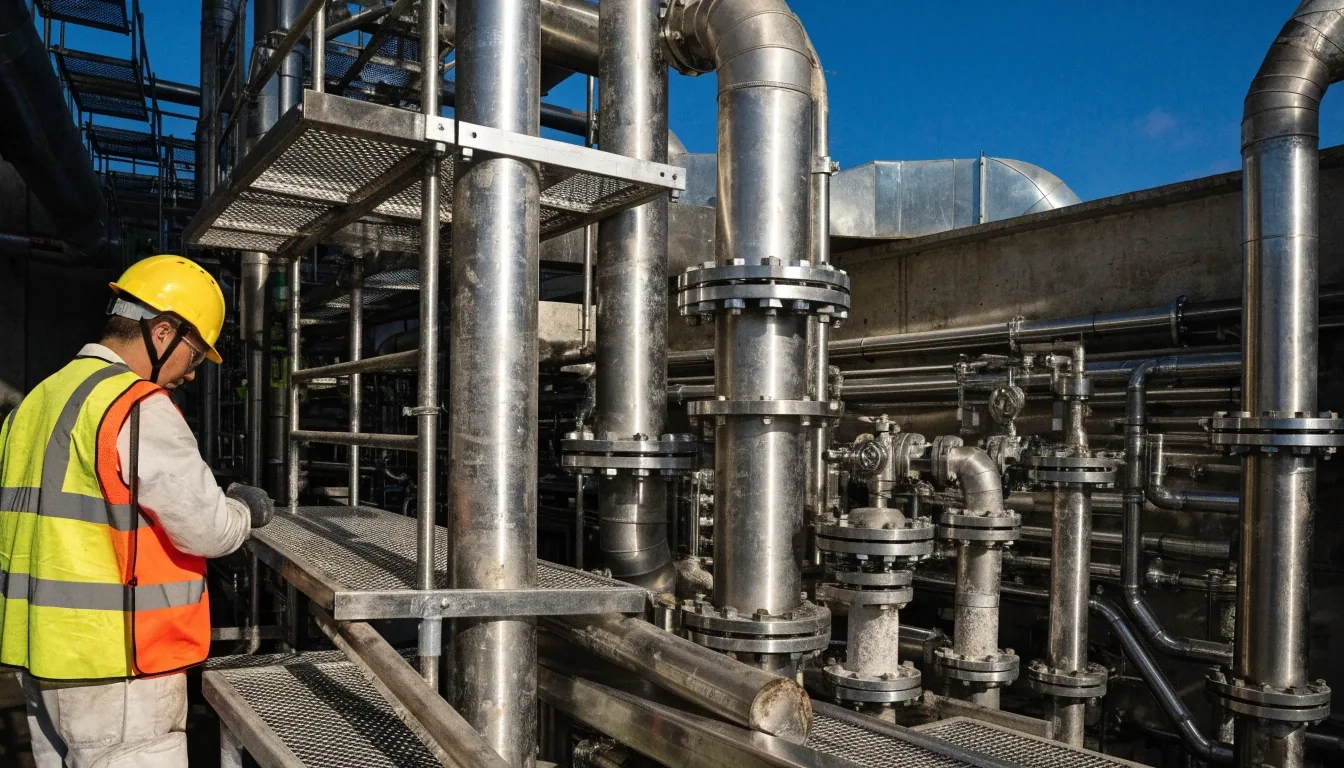
Retrofitting an operating plant means planning around production. Tie-ins have to fit into short windows, temporary arrangements have to be safe, and the sequence matters as much as the hardware. We develop the modification scope, define the shutdown requirements and support the execution.
Not every retrofit needs a full design package. Sometimes a targeted change to one system is enough, and saying so is part of the job.
Shutdown planning
What can be done live, what needs an outage, and how long each window realistically needs.
Tie-in sequencing
The order of isolation, cut-in and reinstatement, so temporary states are safe and short.
Plant optimization
Optimization work usually starts with a specific complaint: throughput below target, energy use higher than expected, recurring quality issues, or a bottleneck that moves depending on the product. We look at where the constraint actually is before proposing changes, because the obvious answer is not always the right one.
Recommendations are ranked by effort and impact so a client can decide what to do now and what to defer. A change that pays back inside one maintenance window is worth separating from one that needs a project of its own.
Where the constraint usually hides
- Throughput that drifts with the product being run
- Utility demand that peaks at the wrong moment
- Quality variation traced back to one unstable step
- Manual intervention that has quietly become routine
One coordinating party
EPCM and project coordination
EPCM suits projects with multiple contractors and a need for a single coordinating party. We manage the interfaces between disciplines and suppliers, support procurement, follow construction and keep the documentation coherent. It is a fuller scope than design-only work and it is not always necessary.
Where a project is straightforward, traditional engineering services with clear deliverables will usually cost less and achieve the same result. We will say which of the two fits before a proposal is written, and the answer depends on how many interfaces you actually have to hold together — not on how large the budget looks.
Design and engineering only
- One contractor, or a small number of clearly separated packages
- Deliverables list agreed up front
- Client holds procurement and site coordination
EPCM coordination
- Several disciplines and suppliers working in parallel
- Interface management between packages
- Procurement support and construction follow-up
After handover, and what a scope document looks like
Two things decide whether a plant stays easy to change: whether the documentation still matches the installation, and whether the next piece of work is defined in writing before it starts.
Maintenance-phase support
The work does not always end at handover. Questions arrive a year later about a control loop that never behaved quite right, or a modification that needs to fit an as-built record that has drifted from the original drawings. We keep the documentation in a state that supports those questions.
For clients with ongoing plant changes, this is often the difference between a plant that is well documented and one that is not.
What a scope document looks like
Whatever the service, the deliverable is defined in writing before work starts. That means a list of documents, a schedule, the assumptions the design depends on, and the points where client decisions are required. Contractors pricing from that package should arrive at comparable numbers.
If something falls outside the agreed scope, it is raised rather than absorbed silently. That keeps both sides clear about what is being delivered — and it is why a scope document is usually the first real deliverable of any assignment, before a single drawing exists.
How to start
Tell us the site, the problem and the outcome you need. We will say whether it looks like a study, a design package or a smaller technical assignment — and if a targeted change is enough, we will say that too.
For a first conversation, it helps to have the production target, any constraints you already know about, and roughly when the change needs to be in service.
Directors
- Northern Peaks Innovations BV
- Northern Peaks Systems BV
Registered office
Raveschoot 22, 9080 Lochristi, Belgium
Registration number 1097073562
Monday to Friday, 09:00–18:00
Prefer to read more first? See Industries We Support or the Frequently Asked Questions.