

Lochristi, East Flanders · Registration 1097073562
About our Lochristi engineering consultancy
Northern Peaks Engineering Solutions is a Belgian engineering and technical consultancy working on feasibility studies, process design, automation, commissioning and lifecycle support for industrial clients.
Who we are
Who directs it
How the company is structured
Northern Peaks Engineering Solutions is directed by Northern Peaks Innovations BV and Northern Peaks Systems BV. That two-entity structure means the strategic and systems sides of the business are represented at director level, not delegated to a layer of middle management. For clients, the practical effect is that decisions about scope, priorities and technical direction can be made quickly.
We are registered in Belgium under number 1097073562. If you need company details for procurement or vendor onboarding, the contact page has the address, phone number and email.
Director register
Why Lochristi
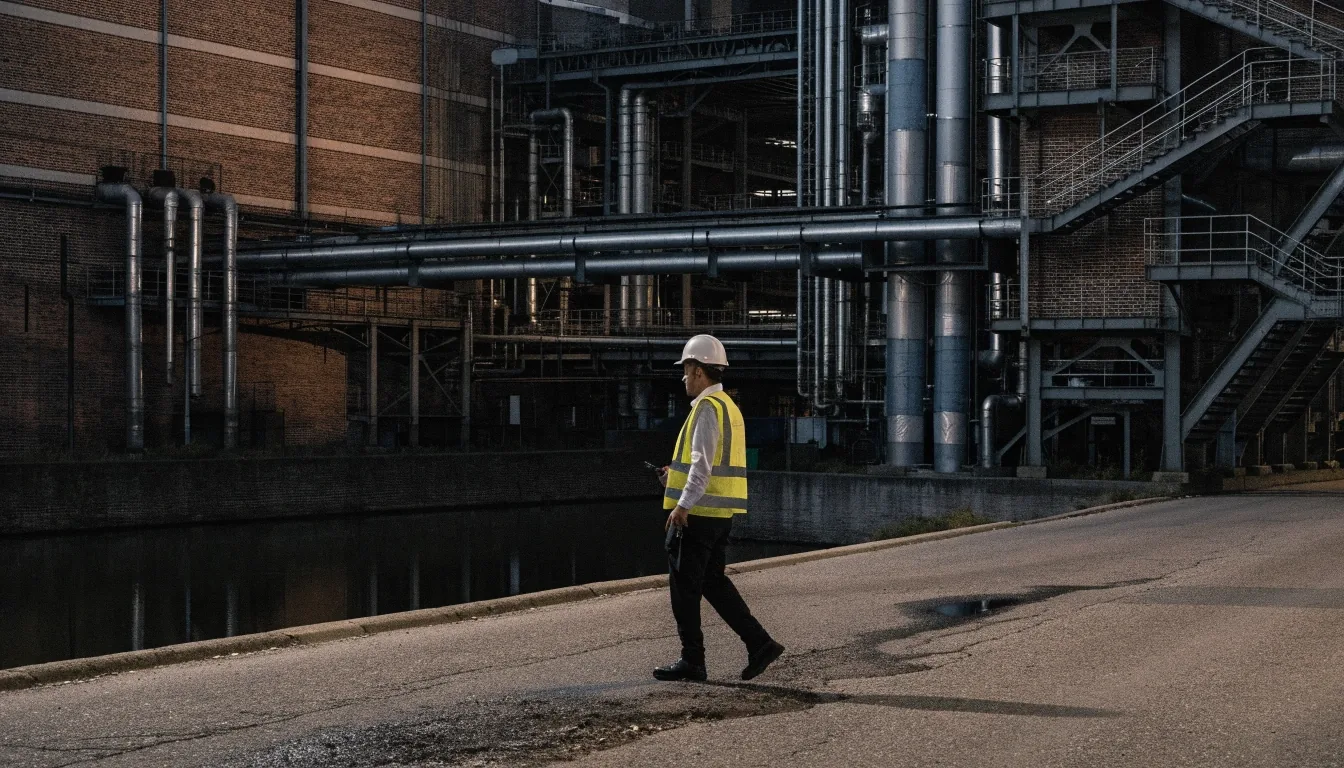
Lochristi is not a random address. The municipality sits in East Flanders between Ghent and Antwerp, close to the canal corridor and within easy reach of a large concentration of process industry. That geography matters for commissioning work especially, where repeated site presence over weeks is normal and a two-hour drive each way is not.
East Flanders also has a dense cluster of small engineering and technical firms. Being based here means coordination with other specialists, suppliers and contractors is local rather than remote. Business records in the area list a number of technical consultancies and engineering-related companies, which tells you something about how concentrated this kind of work is in the region.
Director-led governance and what it changes
A director-led consultancy behaves differently from one where the people selling the work are not the people delivering it. Scope decisions get made by someone who understands the technical consequences. When a project needs a difficult conversation about what is realistic, that conversation happens at the level where it can be acted on.
It also means fewer layers between a client's question and a useful answer. On a design review, that shows up as faster turnaround on the open points that block a contractor's pricing. Decisions on scope and technical direction sit with the directors who carry the engineering risk, so a question does not need to travel through a chain before it is answered.
Scope decisions are made by the people who understand the technical consequences — not passed down a management layer.
The disciplines we cover
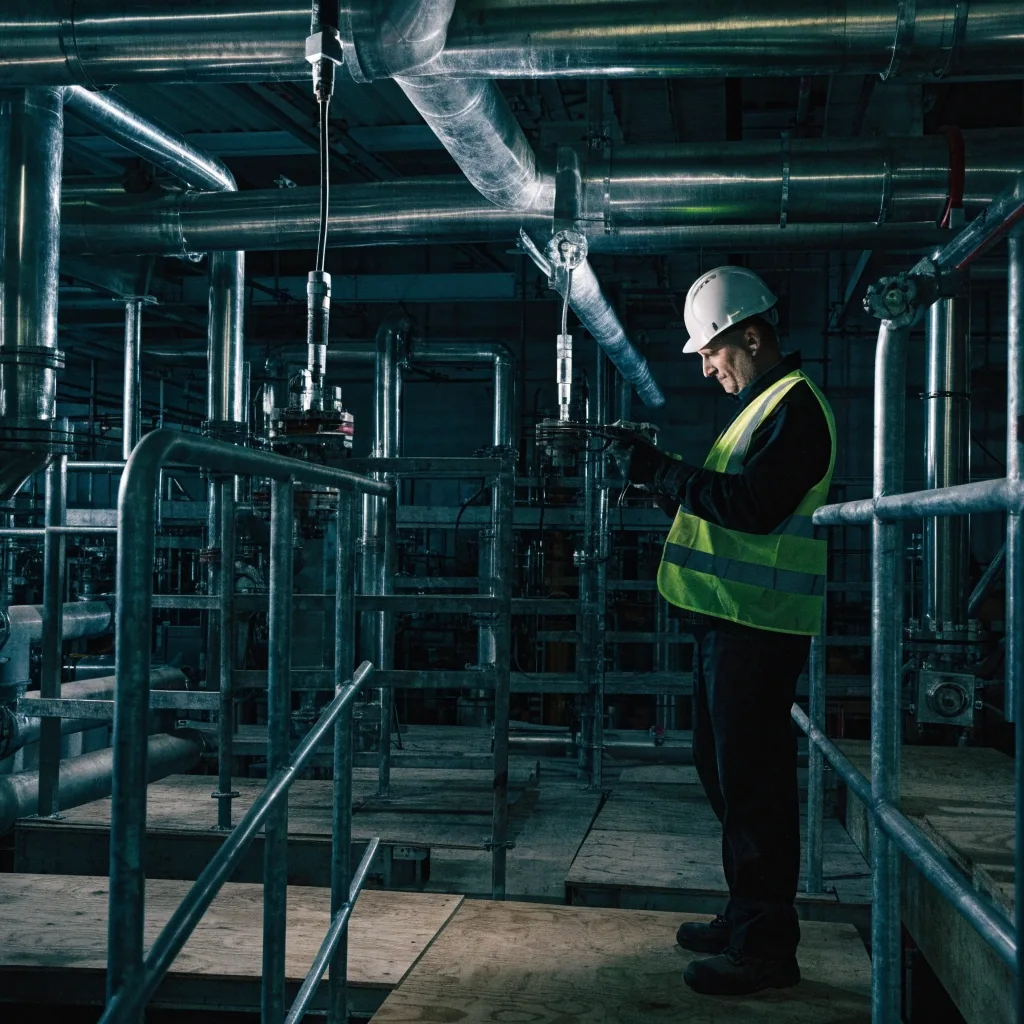
Our work spans process engineering, automation and electrical and instrumentation, with commissioning as the point where all of them meet. That combination is intentional: industrial projects rarely fail because one discipline was weak, they fail because the interfaces between disciplines were never properly defined.
Process engineering
Feasibility work, mass and energy balances, P&IDs and equipment specifications that a contractor can price without guessing at intent.
Automation
Control philosophy, functional descriptions and control narratives that tie the process design to what the system will actually do on site.
Electrical and instrumentation
Instrument schedules, loop documentation and the interface definitions that stop electrical scope and process scope drifting apart in the middle of a project.
Commissioning
Protocols, witness points and startup support where the three disciplines above are proven to work together rather than separately.
Documentation
Specifications, drawings, control narratives and scope descriptions — less visible than the hardware, and the reason a contractor's quote comes back comparable to the next one.
What we are not
We are not a general contractor and we do not carry construction labour. We are not a software house selling a platform. If a project needs something outside our scope, we say so and, where useful, point to the kind of specialist who covers it.
That limit is worth stating plainly because it affects how we are used. Clients bring us in for engineering judgement and coordination, and they build or operate with their own contractors.
Inside our scope
How we take on work
Engagements usually start small. A call or an email describing the site and the problem, followed by a short scoping step to establish what the real job is. Only after that do we talk about a larger design or commissioning package.
This is partly caution and partly experience. Projects that begin with a defined scope tend to finish closer to budget. Projects that begin with an assumption tend to produce change orders.
First conversation
A call or an email describing the site and the problem. Technical questions get answered by the people who will do the work.
Short scoping step
We establish what the real job is before quoting a package — whether that turns out to be a study, a design or a commissioning scope.
Defined scope
A larger design or commissioning package, with deliverables, timing and constraints written down before work starts.
Clients we tend to suit
Our clients are typically plant managers, technical directors and project engineers in operating companies, plus contractors who need design support. They tend to be experienced buyers who have run projects before. That means they want specifics: what will be delivered, when, and what the constraints are.
If you are early in thinking about a plant problem and do not yet know whether it needs a study or a design package, that is a normal starting point for us.
A practical note on availability
Commissioning and site work are scheduled rather than on demand. If you have a startup window fixed by production planning, it is worth talking to us early, because the design work that precedes it has its own lead time.
For design-only assignments, the calendar is more flexible. Either way, a first conversation costs nothing and usually clarifies the shape of the project.
Getting in touch
We are reachable on +32 756643987 and at [email protected], or through the enquiry form on the contact page. The office is at Raveschoot 22, 9080 Lochristi.
If your question is technical, say so in the message and include whatever documentation you have. It shortens the first exchange considerably.
Reach the office
Where to go next
Company record
Northern Peaks Engineering Solutions, Raveschoot 22, 9080 Lochristi, Belgium. Registered in Belgium under number 1097073562. Directed by Northern Peaks Innovations BV and Northern Peaks Systems BV.
1097073562