
Engineering consultancy · Raveschoot 22, 9080 Lochristi
Engineering consultancy in Lochristi for industrial plants
Feasibility studies, process design, automation, commissioning and lifecycle support for factories, utilities and technical buildings across Belgium.
Design stages
Site and handover
Scope scoped to the job
1097073562
How we work
A document first, then a machine
Northern Peaks Engineering Solutions is an engineering and technical consultancy working out of Raveschoot 22 in 9080 Lochristi, in the middle of East Flanders' industrial belt. We take on feasibility studies, process design, automation, commissioning and lifecycle support for factories, utilities and technical buildings across Belgium. The company is registered under number 1097073562 and directed by Northern Peaks Innovations BV and Northern Peaks Systems BV.
Most clients arrive with a half-formed problem: a line that runs below its rated capacity, a retrofit that keeps slipping, a commissioning window that nobody wants to extend. Our job is to turn that into drawings, specifications and a schedule you can actually build against.
Registration number 1097073562
Director: Northern Peaks Innovations BV
Director: Northern Peaks Systems BV
What an engineering consultancy does
What an engineering consultancy does on a Belgian plant
An industrial engineering consultancy sits between the idea and the operating plant. We size equipment, define process flows, coordinate the disciplines that have to touch the same pipe rack, and produce documentation that a contractor can price without guessing. On a Belgian site that also means knowing how permitting, safety files and utility connections tend to run in practice, not just on paper.
Clients often come to us because their own technical team is fully occupied keeping the existing plant running. We add capacity for a defined scope, then hand the result back. The services overview walks through each stage if you want the short version of how that works.
Capacity for a defined scope
We step in where an internal team is stretched, take the drawings and specifications to a buildable state, and hand them back with the reasoning documented.
Documentation a contractor can price
Drawings, specifications and a scope description clear enough that three contractors will price the same thing, instead of three different interpretations of it.
Feasibility first, because rebuilds are expensive
A feasibility study is the cheapest place to discover that an idea does not hold. We look at capacity, utilities, available space, and what the existing installation can realistically absorb. Sometimes the answer is a retrofit rather than a new line, and that changes the budget by an order of magnitude.
Belgian manufacturers in food and beverage, for instance, often face a choice between adding a parallel process and reworking what they have. We compare both against the same production targets before anyone commits to steel.
Process design and automation belong in the same conversation
Process defines flows, equipment and operating conditions. Electrical and instrumentation turns that into signals, control loops and safety functions.
See our engineering servicesOne coordinated scope across process, electrical and instrumentation
Interface points defined during design review, not on site
Commissioning tests the logic that was agreed in design
Process design decides what the plant does. Automation decides how reliably it repeats. Splitting them across two suppliers is a common source of late surprises, especially where a control philosophy has to match the way operators actually run the line. We keep process, electrical and instrumentation work in one coordinated scope so the interface points are defined early.
That matters most during commissioning, when a valve that behaves correctly on a P&ID turns out to fight the sequence logic. Catching those conflicts in design review costs far less than catching them at 2 a.m. on a startup weekend.
Where the Lochristi base helps
Lochristi sits between Ghent and Antwerp, which puts most of Flanders' process industry within a reasonable drive. Site visits, factory acceptance testing attendance and commissioning support are practical rather than theoretical when your engineer is an hour away instead of on another continent. East Flanders also has a dense cluster of small technical firms and consultancies, so local coordination with other specialists is normal here.
We work from the Raveschoot address and travel to client sites as the project requires. For projects with a heavy site presence, that proximity shapes how we plan the commissioning phase.
Site visits planned around production windows, not around travel
Coordination with East Flanders specialists is normal, not exceptional
Design phases travel further than commissioning does
Sectors we spend time in
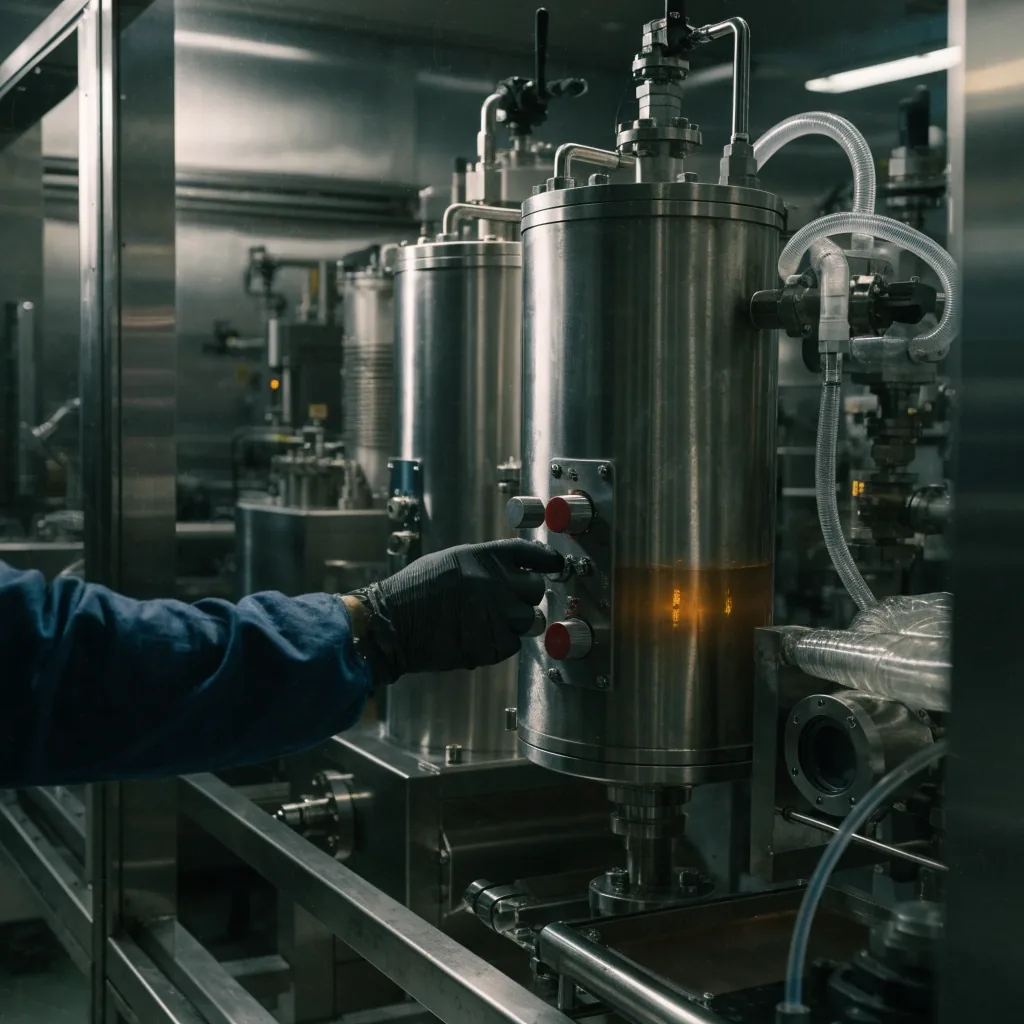
Food and beverage manufacturing remains a recurring segment in Belgium, and it brings its own constraints around hygiene, cleaning cycles and traceability.
Food and beverage manufacturing
Hygiene, cleaning cycles and traceability shape every layout decision. A line that has to be opened for cleaning three times a shift needs a different design from one that runs continuously.
Data centres
A different animal entirely, dominated by cooling, power redundancy and reliability planning. The engineering questions are about heat and uptime rather than product flow.
Utilities and technical buildings
Sitting somewhere between the two, with infrastructure that has to serve several internal users at once and still hold up when one of them changes its demand.
The common thread is that all of them reward early discipline in design and pay for it later if that discipline is missing.
Industries We Support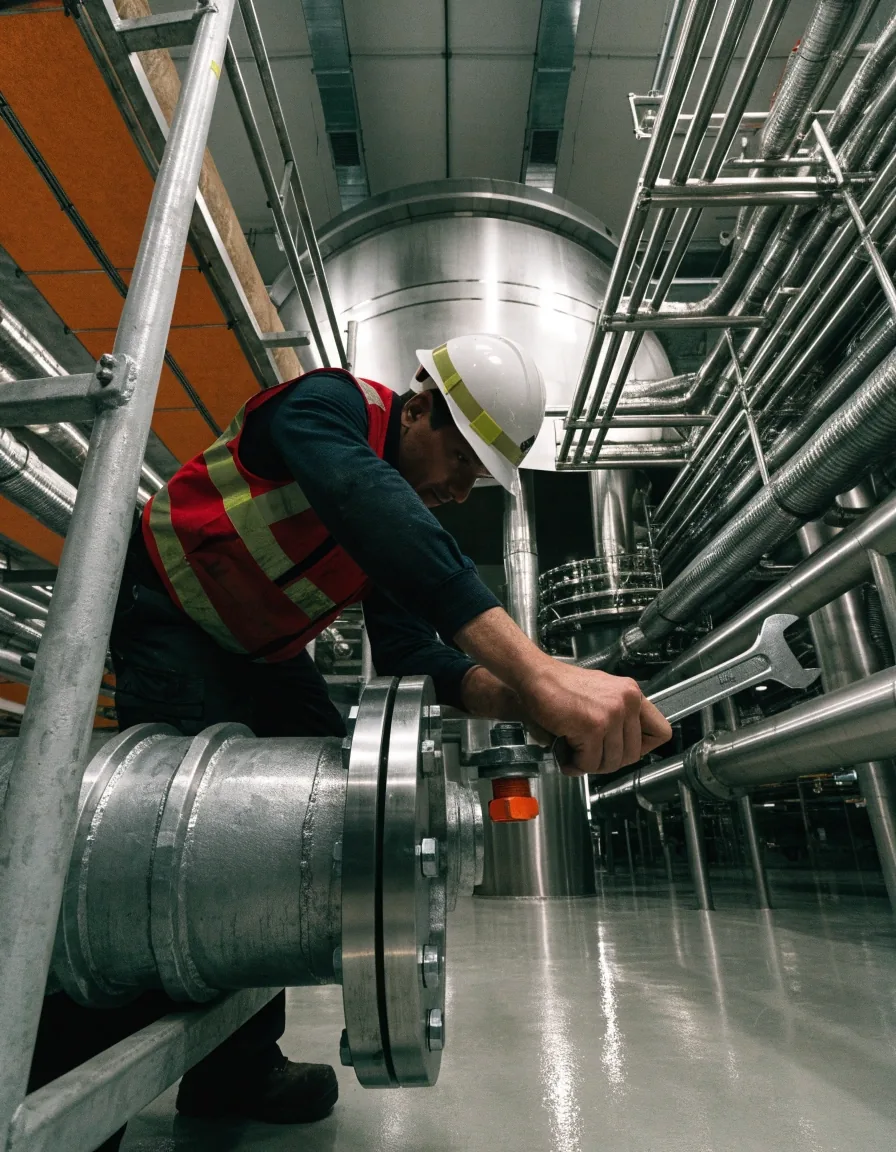
Retrofit work on live plants
Retrofitting an operating plant is a scheduling problem as much as an engineering one. Production windows are short, tie-ins have to be planned around shifts, and temporary arrangements need to be safe for the people standing next to them. We plan the sequence before we plan the hardware, because the hardware is usually the easy part.
A retrofit is often the better answer than a full rebuild when the existing structure, services and permits are still sound. Deciding that requires an honest look at what the plant can support, which is exactly what a feasibility study is for.
What project lifecycle actually means here
Lifecycle support is one of those phrases that can mean anything. In practice it covers feasibility and concept, basic and detailed design, procurement support, construction follow-up, commissioning, and then the maintenance-phase questions that arrive a year later. EPCM sits at the fuller end of that range, where we coordinate multiple contractors rather than delivering a single discipline.
Not every project needs that breadth. A small technical assignment might be two weeks of design work and a site visit. We scope to the job rather than to a fixed package.
Feasibility and concept
Basic and detailed design
Procurement support
Construction follow-up
Commissioning
Maintenance-phase questions
Scoped per assignment, not per package
Six stages
Documentation you can hand to a contractor
The deliverable that clients judge us on most often is the document set. Drawings, specifications, datasheets, control narratives and a scope description clear enough that three contractors will price the same thing. Vague packages produce vague quotes, and vague quotes produce arguments later.
We also keep the as-built record in mind from the start, because a plant that changes over ten years needs documentation that survives the changes. That is part of lifecycle support in a very concrete sense.
Drawings and specifications
Datasheets and control narratives
Scope description contractors can price
As-built record kept current
Who we work with
Our clients tend to be plant managers, technical directors and project engineers inside operating companies, plus the occasional contractor who needs design support. They are usually experienced buyers: they have run projects before and they know what a bad interface costs. That shapes how we communicate, with fewer presentations and more specific answers.
We are not a general contractor and we do not pretend to be. Our value is in the engineering decisions, the coordination and the documentation that lets other people build and operate the result.
Working across Belgium
Projects have taken us across Flanders and into Wallonia, though the bulk of our site work stays within reach of Lochristi. Distance matters less for design phases and more for commissioning, where being on site repeatedly is part of the job. When a project is far away we plan the site presence deliberately instead of assuming it.
Language is rarely a barrier in this market. Belgian industrial projects routinely run in Dutch, French and English at the same time.
Working hours: Monday to Friday, 09:00–18:00
Questions we answer before a project starts
What does an industrial engineering consultancy do from start to finish?
It covers feasibility, process and detailed design, procurement support, construction follow-up and commissioning, then stays available for maintenance-phase questions. The exact scope depends on the project, and some assignments only need one or two of those stages.
How do Belgian firms handle plant design, automation and commissioning in one project?
The workable approach is to define the process and the control philosophy together early, so the interfaces are settled before construction. Commissioning then tests the same logic that was agreed in design rather than discovering it on site.
What is the difference between EPCM and traditional engineering services?
Traditional engineering delivers design and documentation for a defined discipline. EPCM adds coordination across multiple contractors, procurement support and construction management, which suits larger or multi-vendor projects.
When is a retrofit better than a full rebuild?
When the existing structure, utilities and permits are still sound and production windows can be planned around the tie-ins. A feasibility study is the honest way to decide, since it compares both options against the same targets.
How do process engineering and E&I work together on industrial sites?
Process defines flows, equipment and operating conditions; electrical and instrumentation turns that into signals, control loops and safety functions. They overlap most at the interface points, which is where coordination pays off.
What kinds of projects do local engineering firms in East Flanders typically handle?
Process upgrades, line modifications, utility works, automation retrofits and commissioning support for factories and technical buildings. The region's mix of food production, logistics and industrial infrastructure keeps that demand steady.
Starting a project conversation
If you have a plant issue, a planned expansion or a retrofit on the horizon, the fastest route is a direct call. Bring whatever you have: a sketch, an old drawing, a production target. We will tell you honestly whether it looks like a feasibility study, a design package or something smaller.
Most conversations start with a phone call or an email describing the situation, the site and roughly what outcome is wanted. From there we usually propose a short scoping step before any larger commitment, so both sides understand the real size of the problem. If the scope is already clear, we can move straight to a proposal. If it is not, that is normal too, and the scoping step is where it gets defined.
Reach us from Lochristi
Northern Peaks Engineering Solutions
Raveschoot 22, 9080 Lochristi, Belgium
Phone and email
+32 756643987 · [email protected]
Registration and directors
Registered 1097073562 · Northern Peaks Innovations BV · Northern Peaks Systems BV
Engineering and technical solutions from Lochristi
Let us scope it