
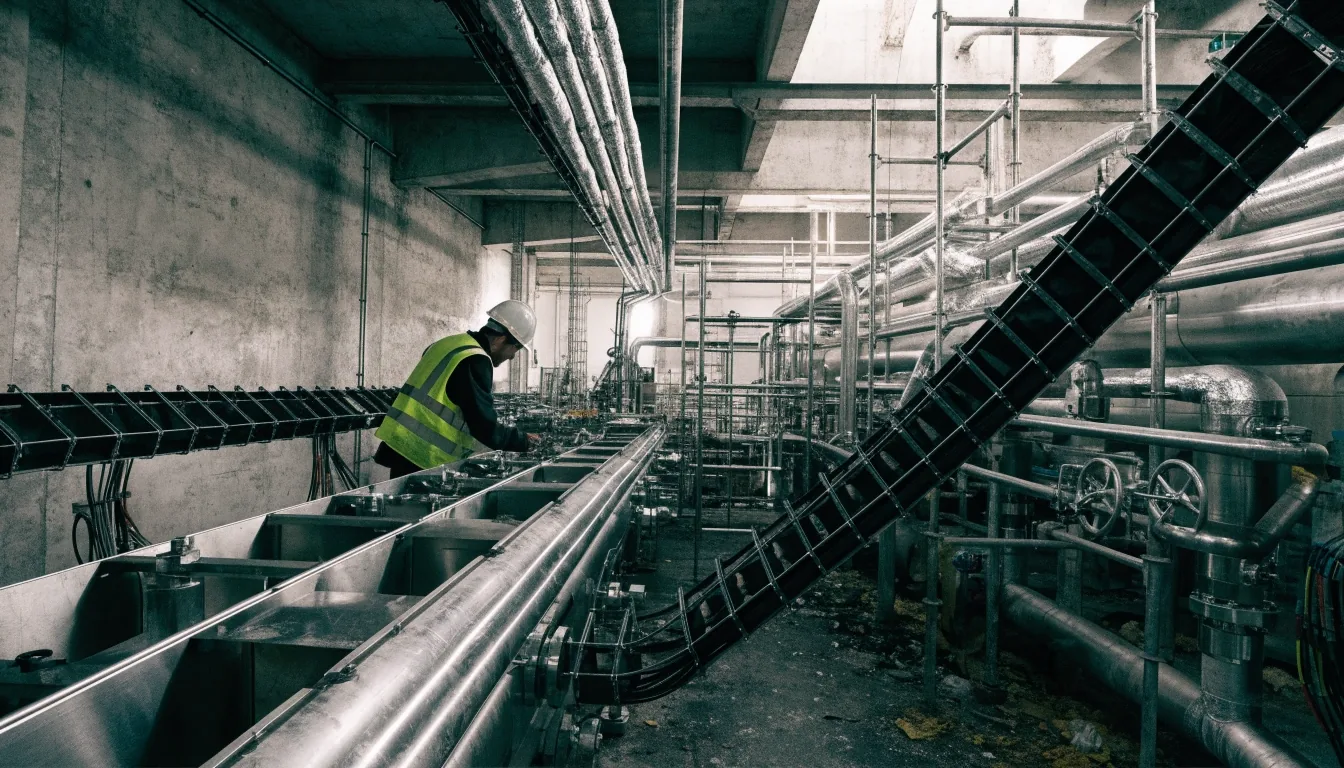
Engineering and technical solutions, Lochristi, Belgium
How we run projects from study to handover
Seven stages, from the first feasibility question to the year after handover. Each one exists because leaving it out costs more later.
Industrial projects fail in predictable ways: scope that was never pinned down, interfaces that were nobody's responsibility, commissioning planned too late. Northern Peaks Engineering Solutions structures work to close those gaps early, from the first feasibility question through to maintenance-phase support.
This page explains the stages, what happens in each, and where client decisions are needed.
Stage one: defining the problem
Everything starts with a clear statement of what the plant needs to do differently. That might be a capacity target, a quality issue, an energy constraint or a planned expansion. We spend time on this because a project defined loosely will be priced loosely and built loosely.
The output of this stage is usually short: a scope note, the assumptions, and the constraints that cannot be moved. It is the cheapest document in the project and the one that saves the most money.
What we need from you
- The production target, quality issue or constraint in your own words
- Any date the plant cannot move around
- Access to existing drawings, if any exist
What you get back
- A written scope note with the fixed assumptions
- The constraints we treat as immovable
- Open questions listed rather than assumed
Stage two: feasibility
Feasibility compares options against the agreed targets. We look at capacity, utilities, space, existing infrastructure and the permitting or safety considerations that could rule an option out. A retrofit and a rebuild are compared on the same basis, not on preference.
For projects with a fixed production window, the feasibility stage also establishes whether the timeline is realistic. Better to find that out now than at the shutdown planning meeting.
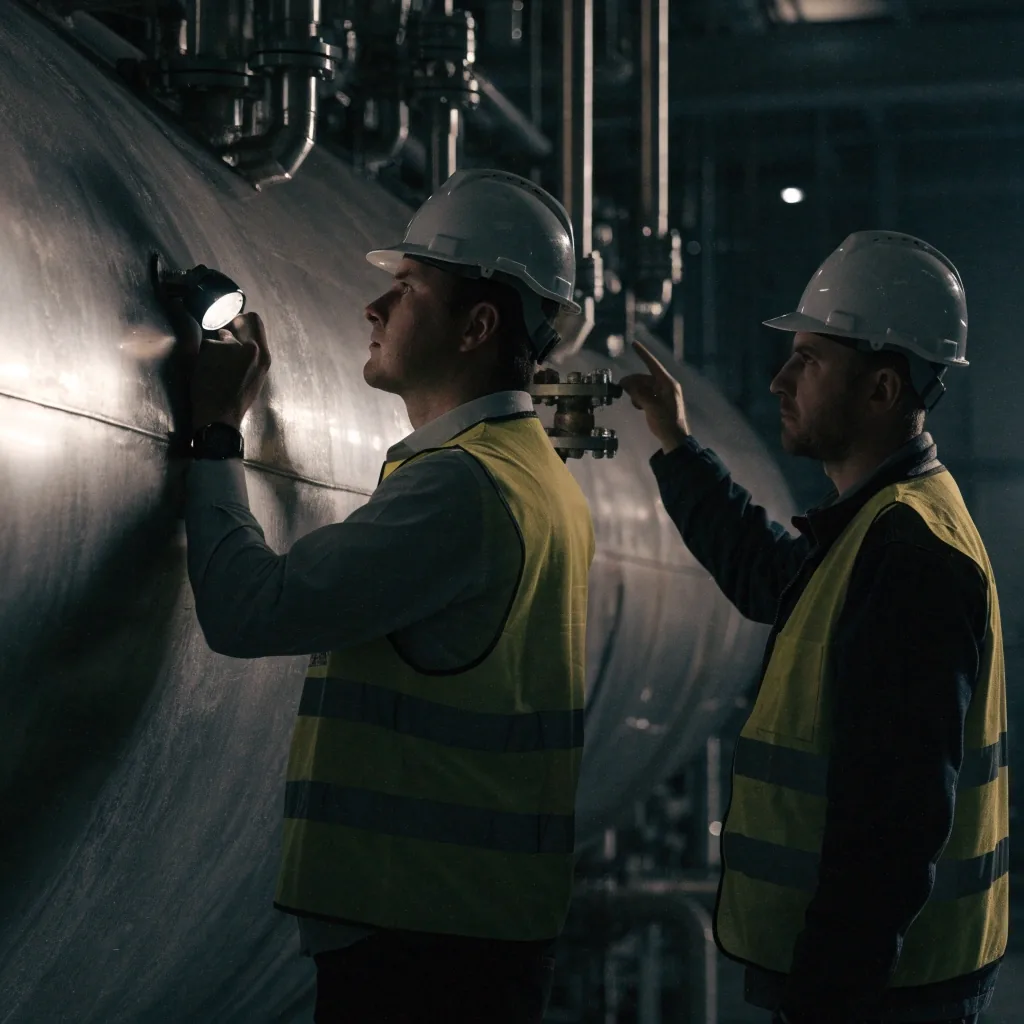
Vessel and utility surveys tell us early whether an option survives contact with the existing plant.
Stage three: basic and detailed design
Basic design fixes the concept: process scheme, major equipment, control philosophy, layout principles. Detailed design produces the documents a contractor can build from: P&IDs, datasheets, specifications, cable schedules, panel requirements, functional descriptions.
This is where discipline coordination earns its keep. Process, electrical and instrumentation work has to be reviewed together, not sequentially, because the conflicts live at the boundaries.
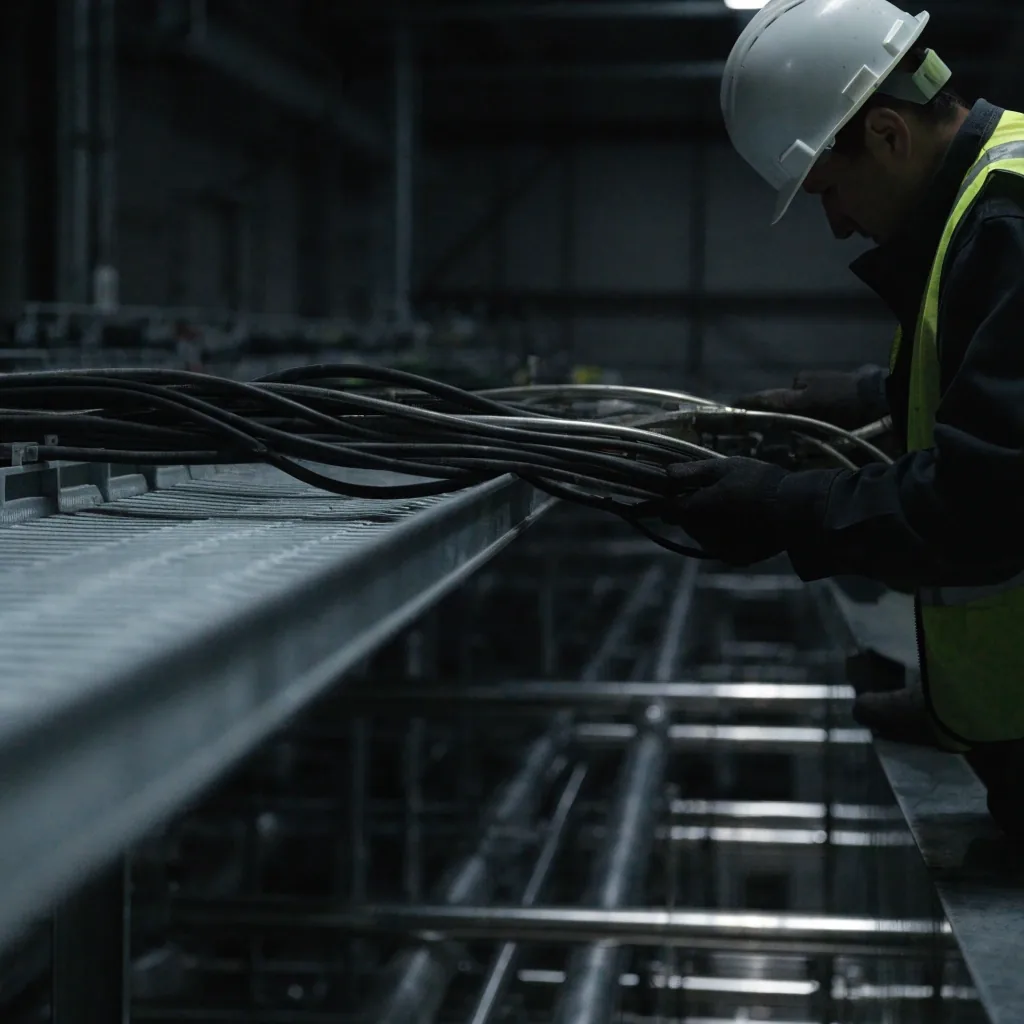
Detailed design deliverables
- P&IDs and process descriptions
- Equipment datasheets and specifications
- Cable schedules and panel requirements
- Control philosophy and functional descriptions
- Layout principles agreed with your operations team
Stage four: procurement support
Procurement support means preparing the technical part of enquiry packages, answering contractor questions consistently, and comparing offers on technical merit rather than price alone. A vague package produces quotes that cannot be compared, which is a common source of trouble.
We do not act as the purchasing party. We make sure the technical comparison is meaningful.
Stage five: construction follow-up
During construction we respond to site queries, review contractor drawings, and check that what is being installed matches the design intent. Changes happen on every project; the question is whether they are documented and whether their consequences are understood.
This stage is also where the as-built record starts to take shape, which matters more than most clients expect at the time.
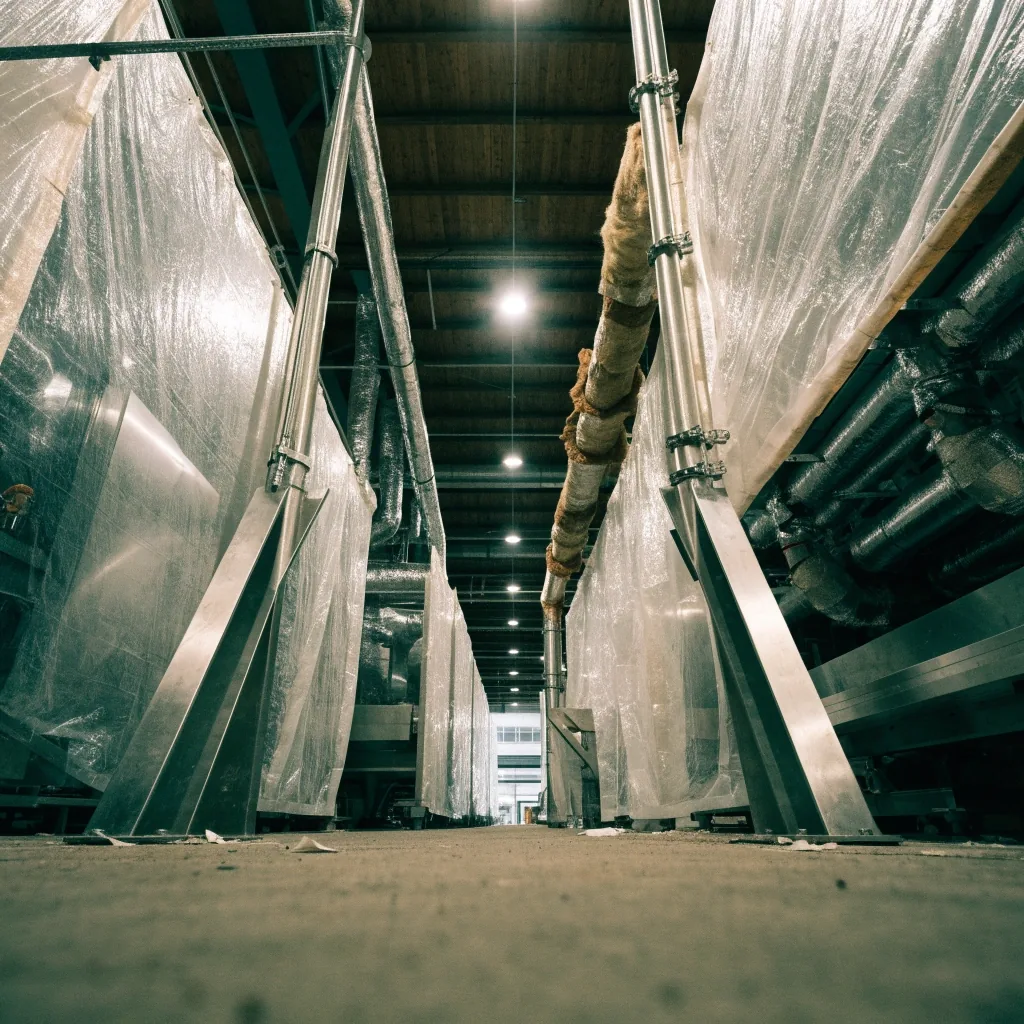
Stage six: commissioning
Commissioning is planned backwards from the date the plant has to be available. Test documentation, sequence, responsibilities and acceptance criteria are prepared before the site work begins. A commissioning plan written the week before startup is a plan to discover problems late.
We attend site, work through the punch list and stay until the plant runs as specified. For projects with a hard production window, this is the stage that determines whether the window is met.
Prepared before site work
- Test documentation and sequence
- Named responsibilities per test
- Written acceptance criteria
Handled on site
- Punch list walkdown and close-out
- Loop checks and interlock proving
- Attendance until the plant runs as specified
Stage seven: handover and documentation
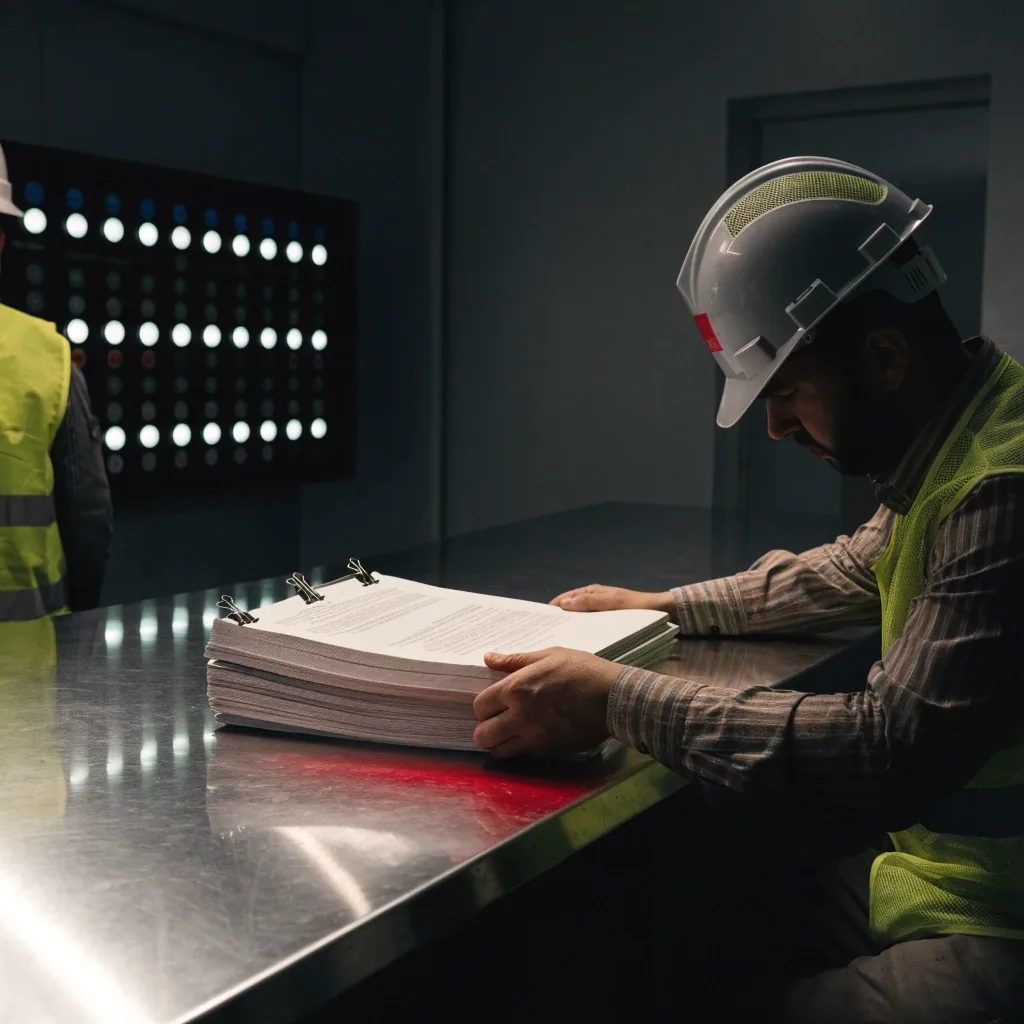
Handover is a documentation event as much as a physical one. Drawings, control narratives, test records and the assumptions behind the design get consolidated into a package the client's team can use. A plant handed over with incomplete records creates problems for every future modification.
We treat this as part of the deliverable, not an afterthought.
In the handover package
- As-built drawings and revisions
- Control narratives and setpoint logic
- Test records and acceptance evidence
- The design assumptions written down
Maintenance-phase support
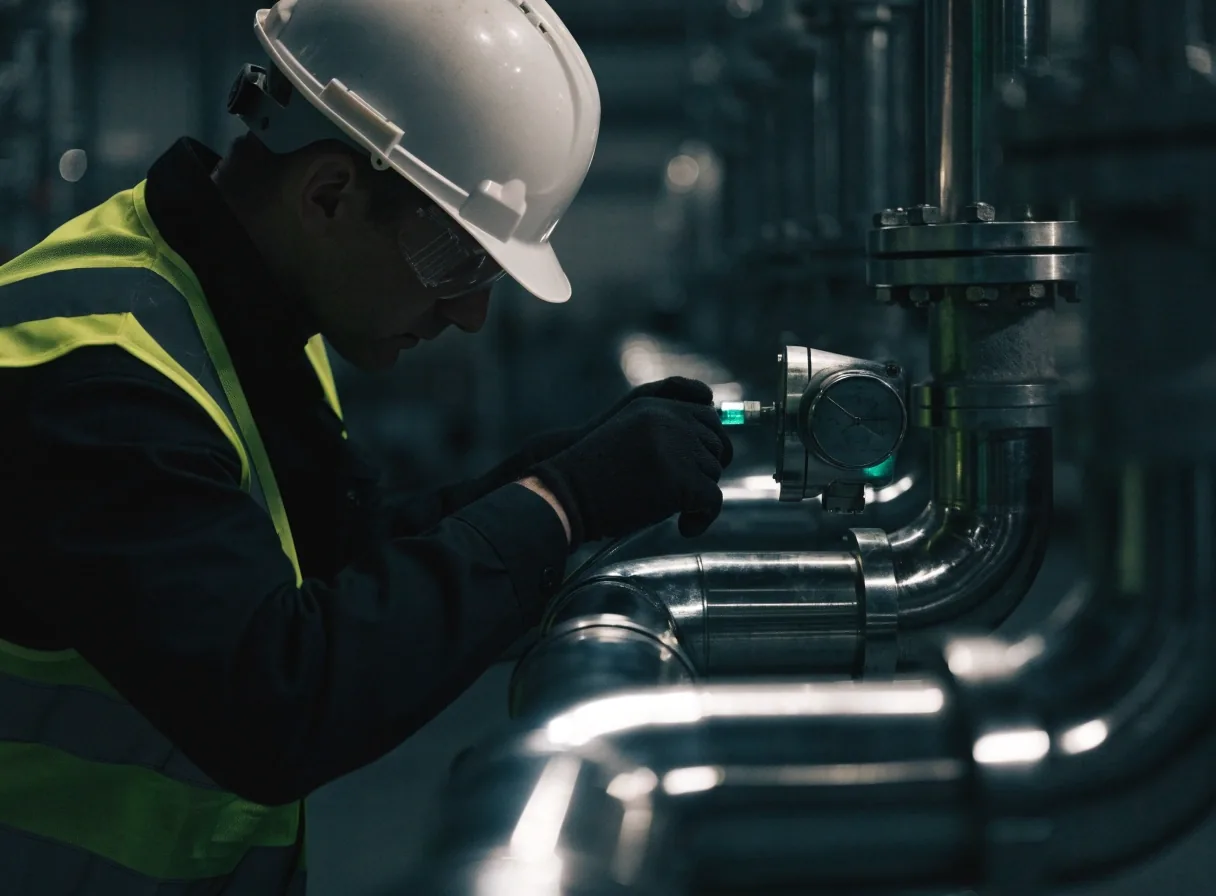
A year after handover, questions arrive. A control loop behaves oddly under a product change. A modification is planned and the as-built drawings have drifted. We stay available for that, which is what lifecycle support means in practice.
It is not a subscription or a retainer by default. It is availability when something comes up.
Talk to us about a project
Call +32 756643987 or write to [email protected]. We are at Raveschoot 22, 9080 Lochristi, Belgium, Monday to Friday, 09:00–18:00.
Send a project enquiryEPCM versus traditional engineering
Traditional engineering services deliver a defined design scope for a defined discipline. EPCM adds coordination across multiple contractors, procurement support and construction management, with one party accountable for the interfaces. EPCM suits larger, multi-vendor projects; smaller ones are usually better served by a clear design package.
Choosing between them is a scope question, not a status question. We will say which one your project actually needs.
Traditional engineering
A defined design scope, one discipline
- Suits a clear, single-discipline package
- Design documents, datasheets and specifications
- Client holds the contractor interfaces
- Procurement run by the client's own team
EPCM coordination
One party accountable across vendors
- Interface coordination across contractors
- Technical comparison during procurement
- Construction management and site follow-up
- Commissioning and handover coordinated once
How the stages flex
Not every project runs all seven stages. A small retrofit might need stages one, three and six. A feasibility study might end at stage two with a recommendation to do nothing. The framework exists to make the omissions deliberate rather than accidental.
When we propose a scope, we state which stages are included and which are not, so there is no ambiguity later.
Small retrofit
Stages one, three and six, with design limited to the modified area.
Expansion with a shutdown window
All seven stages, with commissioning planning pulled forward into feasibility.
Feasibility only
Ends at stage two, sometimes with a recommendation not to proceed.
Automation upgrade on a live line
Stages one, three, six and seven, plus maintenance-phase support afterwards.
Questions we get before a scope is agreed
Can we start at stage three and skip the earlier work?
Sometimes, if the problem statement and the constraints are genuinely already written down. When they are not, we would rather spend a short effort on stage one than design against assumptions nobody has checked.
Do you take over purchasing from our own buyers?
No. We prepare the technical part of the enquiry package and compare offers on technical merit. The commercial decision and the purchase stay with your team.
How early should commissioning be planned?
As soon as the production window is known. Test sequence, responsibilities and acceptance criteria are drafted during design, so the site team is not inventing them in the last week.
What happens if a feasibility study says the project is not worth doing?
You get the comparison, the reasoning and a recommendation, and the project stops there. That outcome is a legitimate end to the work, not a failed stage.
Is maintenance-phase support a contract we have to sign?
Not by default. It is availability when a question comes up after handover, whether that is a control loop behaving oddly or a modification that needs the as-built record checked.
Where we work from
Northern Peaks Engineering Solutions is an engineering and technical solutions provider based in Lochristi, Belgium, working on industrial projects across the country. The company is directed by Northern Peaks Innovations BV and Northern Peaks Systems BV. Registration number: 1097073562.
-
Raveschoot 22, 9080 Lochristi, Belgium
-
Monday to Friday, 09:00–18:00
Site visits across Belgium are arranged from here; a short description of the plant and the problem is enough to start.
Starting the conversation
Call +32 756643987 or send the project details through the contact page. A short description of the site, the problem and any deadline is enough to get a useful first response.
Directors on record
Northern Peaks Innovations BV
Northern Peaks Systems BV